Organic silk vs conventional silk — what is the real difference? When choosing premium sleepwear, understanding the difference between organic silk vs conventional silk is essential. While both look luxurious, their production methods, purity, sustainability and skin-safety standards differ dramatically. For brands like POLA, organic silk is not just a fabric — it is a commitment to transparency, ethical quality and long-term comfort.
Organic silk vs conventional silk — what defines organic silk?
The term “organic silk” refers to silk produced without harmful chemicals, toxins, pesticides or aggressive bleaching. Organic silk follows strict regulations and is certified by independent global standards such as GOTS and OEKO-TEX. These certifications confirm that the silk is skin-safe, environmentally responsible and ethically produced.
Conventional silk, on the other hand, is often processed using chemical dyes, softeners and finishing agents that may remain in the fibers. This affects purity, softness, breathability and long-term durability.
Key differences between organic silk vs conventional silk
1. Production & environmental impact
Organic silk is made using eco-responsible farming and processing. No toxic substances, artificial pesticides or formaldehyde-based finishes are used. This protects soil, water sources and the workers involved in cultivation.
Conventional silk is frequently produced using chemical-intensive methods. These chemicals may speed up manufacturing but compromise both environmental sustainability and fiber purity.
2. Skin health & sensitivity safety
Organic silk is naturally hypoallergenic and free from irritants. It is ideal for sensitive skin, acne-prone skin or people with allergies. The absence of chemical residues helps the skin maintain moisture and reduces friction.
Conventional silk may contain traces of chemical dyes and finishing agents that can irritate the skin over time — especially when worn nightly.
3. Purity, breathability & comfort
Organic silk maintains its natural structure and breathability. Because no harsh chemicals break down the fibers, the fabric remains naturally thermoregulating: cool in summer, warm in winter.
Conventional silk often loses part of its natural integrity through aggressive bleaching or chemical softeners. This can affect long-term softness, shine and drape.
4. Durability & longevity
High-quality organic silk retains its strength longer because the fibers remain intact. With proper care, it preserves its luster, smoothness and drape for years.
Conventional silk, weakened by chemical processing, tends to age faster and lose shine sooner.
Why POLA chooses organic silk
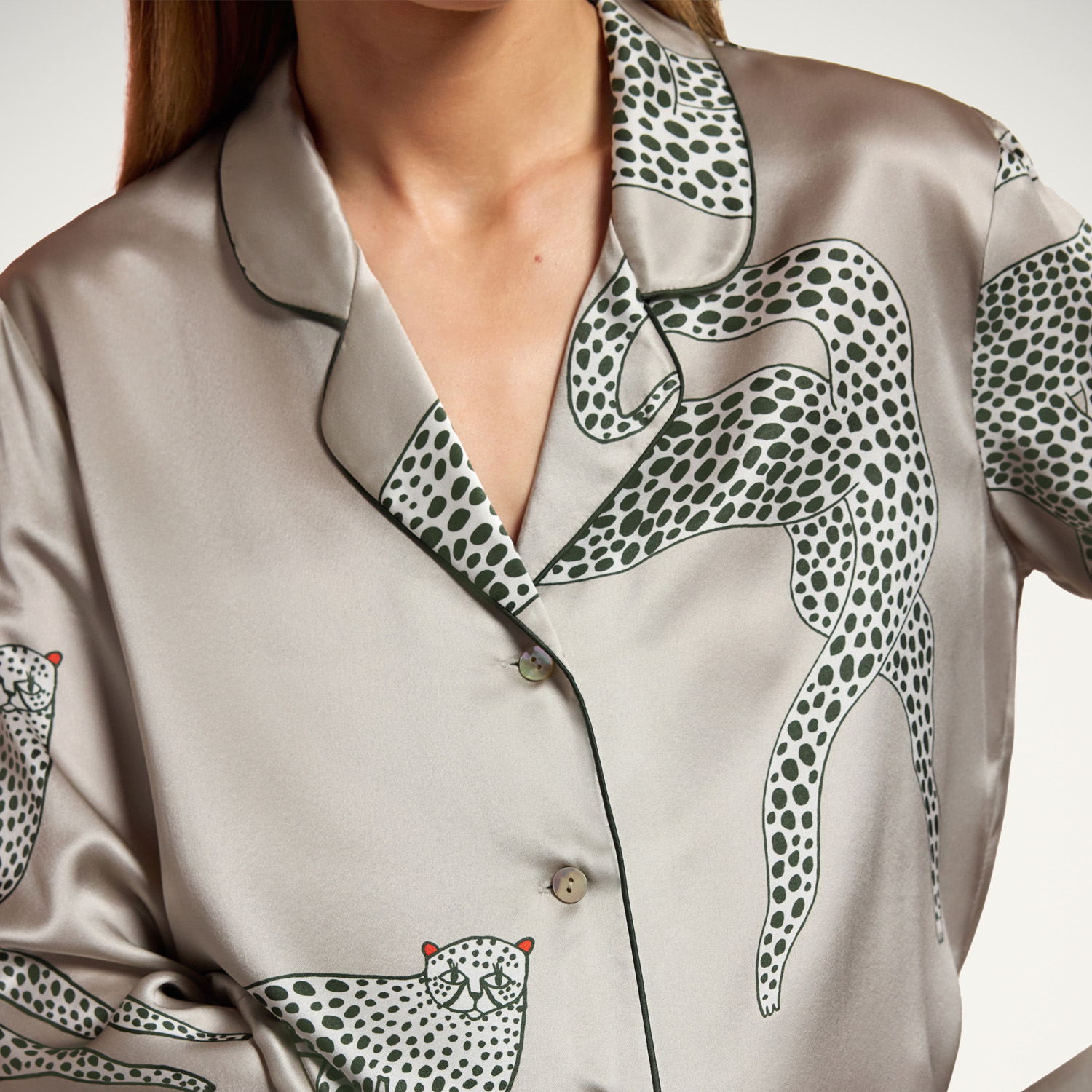
At POLA, we work exclusively with certified organic silk to ensure every pajama set feels like a second skin. Our organic silk is GOTS + OEKO-TEX certified, guaranteeing ethical production and purity at every stage. Learn more about our conscious craft.
Organic silk vs conventional silk — which should you choose?
If you value skin safety, long-lasting softness and environmentally conscious quality, organic silk is the clear choice. It offers the luxurious feel of traditional silk but without toxins or harmful residues.
Conventional silk may still look beautiful, but it cannot offer the same purity, sustainability or long-term comfort.
Organic silk vs conventional silk is not just a matter of feel — it is a difference in health, ethics and long-term quality.